
Clean Pathways for Water and Utilities
Trenching in Cairo for drainage systems, utility installation, and underground access routes
Standing water along property edges, saturated areas near foundations, or the need to route utilities underground all require trenches cut to specific depths and slopes. Claybank Earthworks installs trenches across Cairo-area properties using equipment designed for residential and rural applications where precision matters and site disruption must be minimized. Trenches are excavated to depths ranging from 12 inches for surface drainage to 48 inches for utility line burial, with width determined by pipe diameter and bedding material requirements.
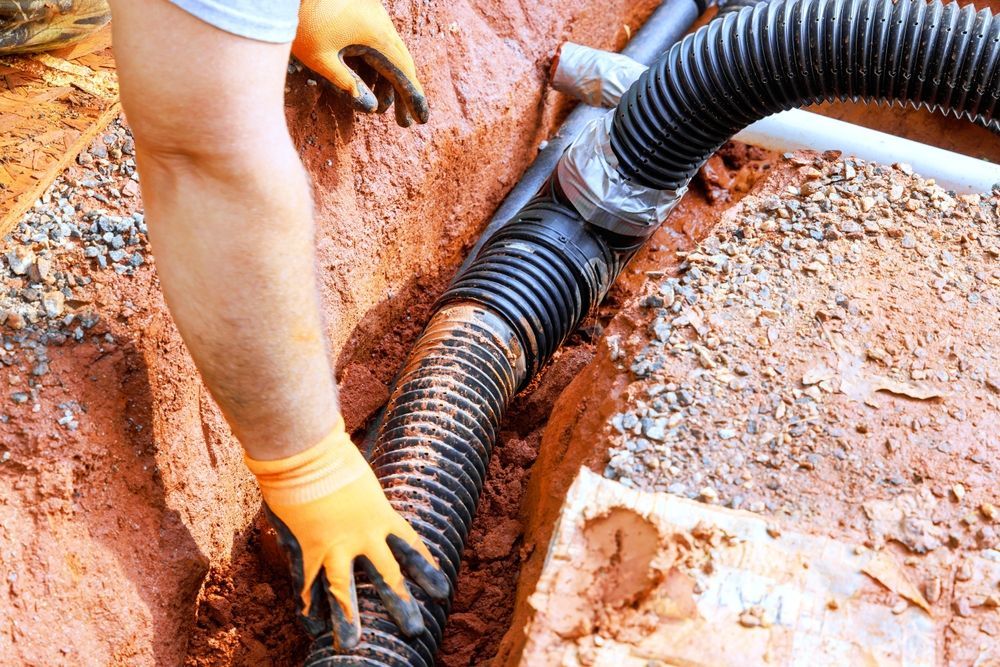
Trenching removes a narrow channel of soil along a predetermined route, creating a pathway for drainage pipe, electrical conduit, water lines, or irrigation systems. Accurate depth and consistent slope ensure gravity-fed systems function correctly—drainage trenches typically slope at least one-quarter inch per foot to maintain water flow without ponding. Equipment suited for residential work minimizes turf damage and allows trenches to follow property lines or curve around landscaping features.
Arrange an on-site consultation to map trench routes and confirm depth requirements for your project.
How Trenching Supports Long-Term Functionality
Each trench begins with a marked route that accounts for existing utilities, property grades, and the destination point where water or lines will terminate. The excavator cuts a clean channel with vertical or slightly sloped walls depending on soil stability, removing soil in a single pass or multiple shallow lifts based on depth. Excavated material is placed alongside the trench for backfilling after pipe or conduit installation.
Once trenching is complete, you see a defined channel ready for pipe installation with consistent depth and slope verified along the entire run. Properties with drainage trenches no longer experience water accumulation in previously saturated zones, as runoff now moves through buried pipe toward discharge points or retention areas. The trench remains open long enough for inspection and pipe placement before backfilling compacts soil around the installation.
Trenching services include excavation, spoil placement, and initial backfill, but do not include pipe supply, bedding gravel, or final surface restoration. Clay soils common in Southwest Georgia require careful backfill compaction to prevent trench lines from settling below surrounding grade after seasonal moisture changes.
Trenching projects raise practical questions about process, timing, and how the work integrates with other property improvements.
Common Questions About This Service
What information is needed before trenching begins?
You should provide the starting and ending points for the trench, the type of material being installed, and any depth requirements specified by code or system design, along with confirmation that utilities have been located.
How does trench width relate to pipe size?
Trenches are typically cut 12 inches wider than the pipe diameter to allow room for bedding material and proper compaction—an example would be an 18-inch-wide trench for a 6-inch drainage pipe with 6 inches of gravel on each side.
When should trenching be scheduled relative to other project phases?
Trenching happens after site clearing and grading are complete but before final landscaping or paving, allowing the trench to be backfilled and settled before surface restoration begins.
What causes trenches to settle after backfilling?
Soil removed during excavation expands in volume when loosened, then compacts below original density when replaced unless backfill is compacted in layers—settling appears as a shallow depression along the trench route within weeks or months after completion.
How do site conditions in Cairo affect trenching work?
Heavy clay soils hold trench walls stable during dry periods but become sticky and difficult to manage after rain, while sandy soils excavate easily but may require shoring or sloped walls to prevent collapse in deeper trenches.
Experienced operation and attention to site conditions ensure trenches meet project specifications. Contact Claybank Earthworks to discuss project requirements and obtain a free estimate.