Outdoor Spaces That Complement Your Property
Landscaping in Cairo for residential and rural properties needing appearance improvements and functional outdoor design
Properties with undefined edges, poor drainage patterns, or outdated plantings lack the visual structure and functionality that thoughtful landscaping provides. Landscaping across Cairo-area properties involves more than aesthetic choices—it requires integrating grading, drainage, and plant placement to create outdoor spaces that look intentional and perform correctly through seasonal weather changes. Claybank Earthworks plans and implements landscaping solutions that improve both appearance and site function, working with the existing terrain and property features rather than imposing designs that require constant maintenance or fail during heavy rains.
Landscaping services address site layout, plant bed creation, drainage integration, and surface material placement to define outdoor areas and direct water away from structures. Projects range from simple bed installation with mulch and shrubs to comprehensive property reshaping that combines grading, edging, and plant selection. Solutions are tailored to residential lots with limited space and rural settings with acreage where landscaping transitions into open land.
Discuss landscaping goals and site challenges during an initial consultation to review options suited to your property.
What Landscaping Actually Accomplishes
Landscaping projects begin with site evaluation that identifies existing drainage flow, sun exposure, soil conditions, and how outdoor spaces connect to building entrances and property boundaries. Grading adjustments happen first to correct drainage issues or create level areas, followed by bed shaping, edging installation, and soil amendments where plantings will be placed. Material choices—mulch, gravel, groundcover—depend on the location's function and maintenance tolerance.
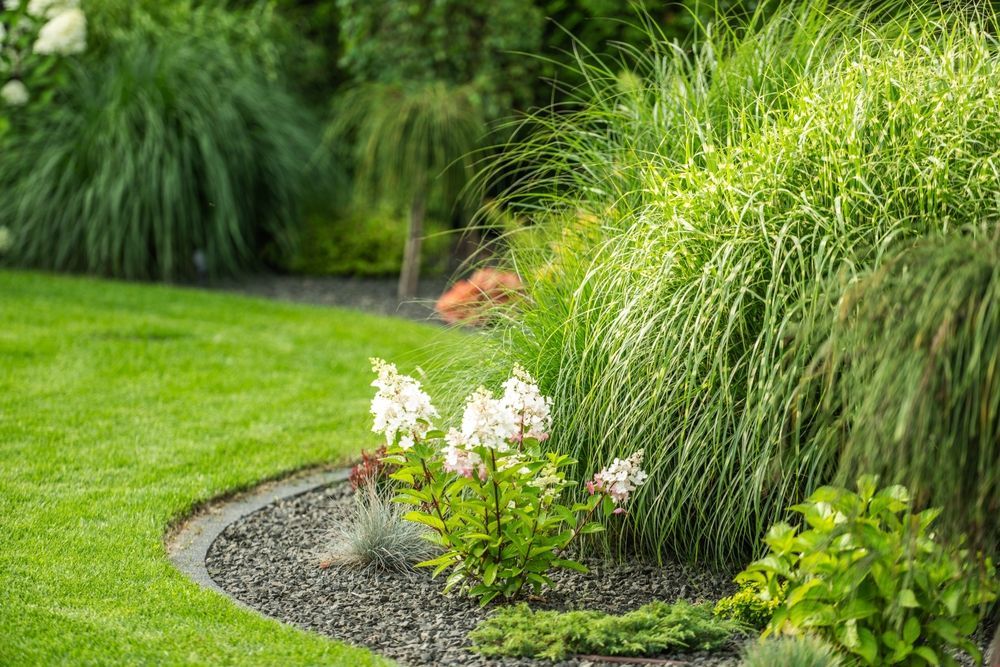
After landscaping is complete, your property shows defined outdoor areas with clean edges separating turf from beds, water flowing in intended directions without pooling near foundations, and plantings positioned to mature without crowding structures or walkways. Mulched beds suppress weed growth and retain soil moisture during dry periods, while graded surfaces prevent erosion and standing water that previously created muddy zones after storms. The property appears intentional rather than haphazard, with each element serving both visual and functional purposes.
Landscaping scope varies by project but typically includes grading, bed preparation, edging, material placement, and basic planting, though it does not include irrigation system installation, lighting, or hardscape construction such as retaining walls or patios. Long-term property value improves when landscaping addresses underlying site conditions rather than concealing problems with surface treatments that fail within seasons.
Landscaping decisions involve balancing aesthetics, budget, and how much ongoing maintenance property owners want to manage after installation.
Questions Before Starting Your Project
What site preparation is required before landscaping begins?
Existing vegetation is cleared from work areas, grades are adjusted to correct drainage problems, and soil is amended or replaced in planting zones where heavy clay or poor drainage would limit plant health.
How does landscaping integrate with drainage projects?
Grading, swales, and bed placement are designed to complement drainage systems rather than obstruct flow—plant beds may incorporate shallow depressions that channel runoff toward drainage outlets while supporting plantings tolerant of periodic saturation.
When is the best time to complete landscaping in Cairo?
Fall through early spring allows new plantings to establish roots before summer heat arrives, though landscaping involving grading and non-plant elements can proceed year-round as long as ground conditions permit equipment operation and material placement.
What maintenance do landscaped areas require after installation?
Mulched beds need replenishment every 12 to 18 months as material decomposes, plantings require watering during establishment and drought periods, and edges need occasional redefining to prevent turf encroachment into beds.
How does landscaping affect property appearance long-term?
Properly planned landscaping matures into a cohesive design that improves curb appeal and frames structures effectively, while poorly planned projects create maintenance burdens through overgrown plantings, persistent drainage problems, or materials that degrade quickly under local climate conditions.
Attention to detail and integration with grading and drainage projects ensure landscaping performs correctly through seasonal changes. Claybank Earthworks designs solutions for both residential and rural properties. Request a quote to discuss your landscaping needs and property-specific considerations.