Water That Moves Off Property Instead of Pooling
Drainage and Ditch Digging in Cairo for properties with standing water, erosion channels, and failing natural drainage
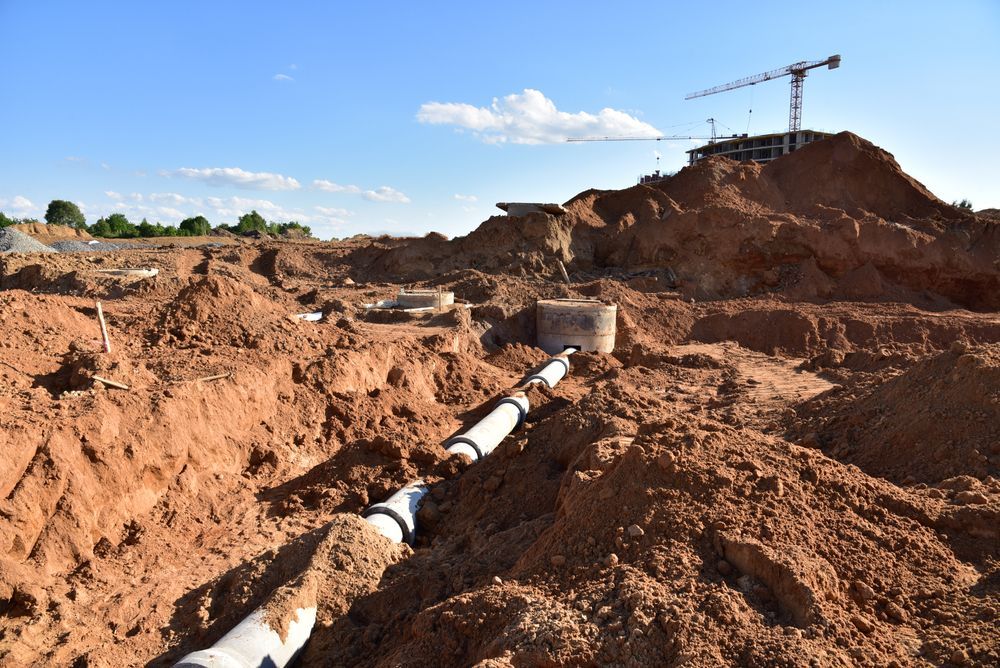
South Georgia receives enough rainfall that properties without functional drainage spend weeks each year too saturated for equipment access or outdoor use, with standing water creating mosquito habitat and dead zones in yards and fields. Installing ditches and reshaping drainage routes redirects water away from structures, access roads, and low areas where it currently stops and soaks in slowly. Claybank Earthworks designs and digs drainage solutions across Cairo and surrounding counties using trenching and excavation equipment capable of creating the depth and slope needed to move water off residential, agricultural, and undeveloped land before it causes property damage or limits site usability.
Drainage work begins with evaluating where water enters the property, where it currently collects, and where it can be directed without creating problems on adjacent land or downstream. Ditches get dug with specific slopes calculated to maintain water velocity without causing erosion, and the excavated soil is used to build berms or fill low spots depending on the site conditions. Properties with multiple drainage problems often need a combination of ditches, swales, and grading to establish a system that handles water from different sources and directs it to a single outlet.
Request a drainage evaluation that identifies water flow patterns and recommends solutions for your property.
Why Proper Drainage Planning Works Long-Term
Drainage installation addresses the underlying problem of inadequate slope or blocked water flow rather than just responding to visible symptoms like standing water or erosion gullies. Ditches are excavated to depths that intercept subsurface water movement, not just surface runoff, and the sides are sloped to prevent collapse while still maintaining capacity. The system routes water along paths that follow natural terrain contours when possible, reducing the amount of excavation required and minimizing maintenance needs once the ditches are established.
After installation, you'll see water flowing through ditches during and immediately after rain events instead of spreading across the property and sitting for days. Yards and fields dry faster, access roads stay passable without waiting for ground to firm up, and structures are protected from the foundation damage and moisture intrusion that result from chronic standing water. Vegetation that was stressed or dying in saturated areas begins recovering once soil drainage improves.
Drainage systems require occasional maintenance to remove sediment buildup and vegetation that reduces flow capacity, but properly designed ditches with adequate slope remain functional for years without major intervention. Some properties also need culverts installed where ditches cross driveways or trails, and these are sized based on the water volume the ditch is expected to carry during peak flow events.
Landowners dealing with drainage problems often have questions about how the work is planned and what results to expect from ditch installation.
What Property Owners Usually Ask
How do you determine where ditches should be dug?
Ditch placement depends on where water currently collects, the natural slope of the land, and the location of suitable outlets where water can be discharged without creating erosion or flooding downstream.
What depth and width do drainage ditches need?
Ditch dimensions vary based on the volume of water being handled and the soil type, but most residential and agricultural ditches range from one to three feet deep with side slopes that prevent collapse while maintaining flow capacity.
Can drainage work fix property that stays wet year-round in Cairo?
Drainage addresses standing water from rainfall and surface runoff, though properties with high water tables or springs may need additional solutions beyond surface ditches to remove subsurface water.
What happens to the soil excavated during ditch digging?
Excavated material is typically spread nearby to fill low spots, build berms that direct water toward ditches, or grade areas that need soil added to improve surface drainage.
How soon after installation do ditches start improving property drainage?
Ditches function immediately once they're dug to the correct depth and slope, though it may take multiple rain events to observe the full improvement as water begins following the new drainage routes consistently.
Claybank Earthworks provides customized drainage solutions based on property conditions, water flow patterns, and the specific problems you're experiencing with standing water or erosion. Schedule an evaluation to discuss the drainage work your land requires.