Ground That Drains Instead of Pooling
Land Grading in Cairo for uneven terrain, standing water, and poorly draining properties
Low spots on rural property collect water after every significant rain, creating muddy areas that prevent equipment access and limit how the land can be used. Proper grading reshapes the ground surface to move water away from problem areas, correcting the depressions and uneven slopes that cause drainage failures. Claybank Earthworks operates grading equipment across Cairo and surrounding counties, leveling rough terrain and establishing the surface contours that allow residential, agricultural, and undeveloped properties to function without fighting standing water.
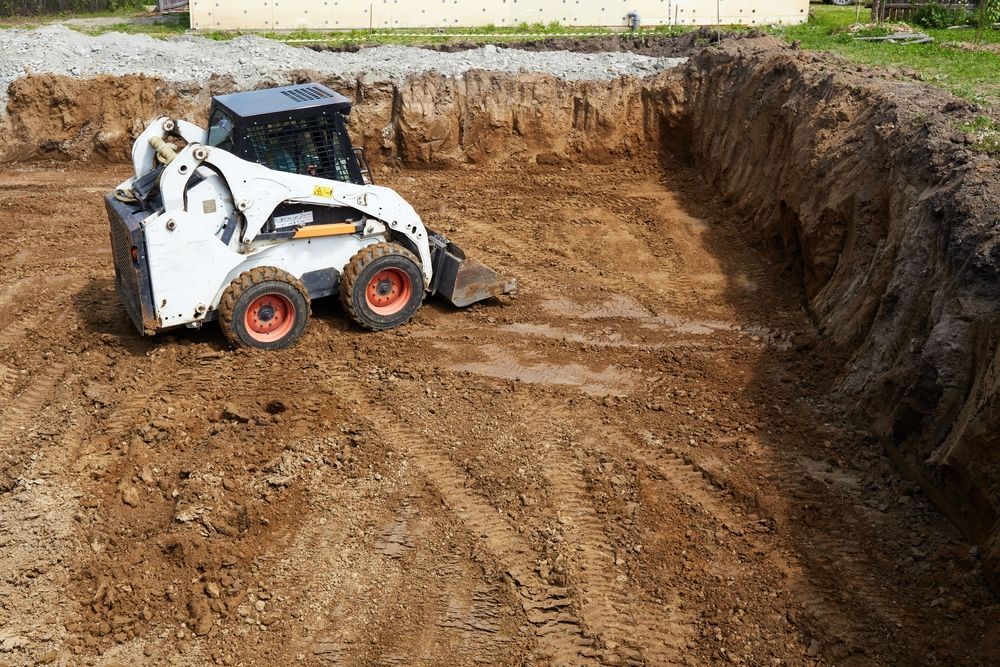
Grading involves cutting high spots and filling low areas to create controlled slopes that direct water toward drainage routes or away from structures and access roads. The process uses tractor-mounted blades and box scrapers to move soil in precise amounts, establishing grades that range from subtle pitch for lawn areas to steeper slopes for ditch lines and swales. Properties with years of erosion damage require more extensive reshaping than sites with minor settling or ruts.
Request a free quote that outlines the grading work your property needs.
How Grading Addresses Drainage and Access Problems
Grading changes the way water moves across your property by eliminating the depressions where it currently stops and pools. Equipment reshapes the surface in layers, compacting soil as the grade develops to prevent future settling that would recreate low spots. The work establishes positive drainage away from buildings, driveways, and areas where standing water interferes with property use.
You'll notice water sheets across the surface and flows toward planned drainage routes instead of collecting in muddy depressions. Driveways become passable without navigating around puddles, yard areas dry faster after rain, and equipment can access fields and work areas that were previously too soft to drive on. The graded surface also provides a stable base for future projects, from building construction to pasture improvement.
Grading often reveals additional drainage needs that were hidden by irregular terrain, such as the need for culverts, ditches, or swales to handle the water volume moving across the property. Some sites require only minor smoothing, while others need comprehensive reshaping to correct slope directions and eliminate chronic wet areas.
Property owners considering grading work typically want to understand how the process improves their specific drainage and terrain issues.
Answers to Frequent Grading Questions
What does grading actually change on the property?
Grading eliminates low spots, smooths rough or rutted surfaces, and establishes slopes that direct water away from problem areas, resulting in ground that stays firmer and dries faster after rain.
How do you determine the correct grade for drainage?
The grade depends on the distance water needs to travel, the volume of runoff, and the location of drainage outlets, with residential areas typically requiring gentler slopes than agricultural land or ditch lines.
Can grading fix property that stays muddy year-round?
Grading addresses standing water caused by low spots and improper slopes, though properties with high water tables or soil that holds moisture may need additional drainage solutions beyond surface grading.
What equipment handles grading on properties around Cairo?
Claybank Earthworks uses tractors with grading blades and box scrapers sized for the scope of work, allowing precise control on smaller residential sites and efficient soil movement on larger agricultural properties.
How long does graded ground take to settle and stabilize?
Most grading settles within a few weeks, especially if the soil is compacted during the grading process, though properties with loose or sandy soil may show minor settling over the first season.
Grading work at Claybank Earthworks includes evaluating existing drainage patterns and identifying where water needs to flow after the surface is reshaped. Contact us for a property assessment that explains the grading required to eliminate your drainage problems.